Start With the Right Kind of Contractor
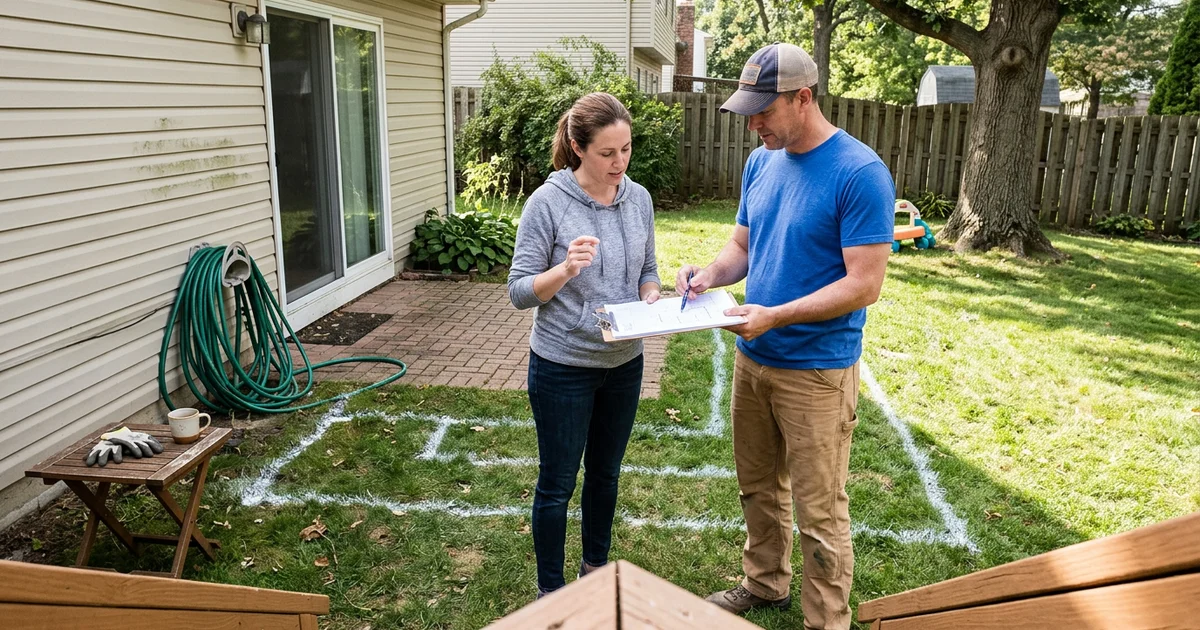
You know how complicated retrofitting an exterior foundation can get. Our team often sees homeowners overwhelmed by the sheer number of moving parts. This guide on how to choose a basement walkout contractor cuts through that confusion.
We know that a complete walkout requires coordinating multiple distinct trades:
- Structural engineering and heavy excavation.
- Concrete forming, drainage, and waterproofing.
- Final door installation, electrical, and finish carpentry.
Finding one crew to sequence all of those steps correctly is the real challenge.
We are biased, of course, because we are Utah basement walkout specialists. The questions below are fair ones to ask any local company. If you’d like to see how we answer them, our basement walkout installation page lays out our exact process.
Questions to Ask Every Walkout Contractor
Asking the right questions filters out inexperienced builders immediately. You need a basement walkout contractor Utah inspectors recognize for strict code compliance and proper soil management. We highly recommend interviewing at least three companies before making your final choice.
About Drainage
Proper drainage prevents your new stairwell from becoming an expensive swimming pool. You must ask exactly how they plan to manage water buildup at the lowest point of your foundation. Our standard practice in 2026 uses a 5-gallon catch basin filled with 1-inch washed gravel for optimal percolation.
According to the International Residential Code (IRC) R405.1 used in Utah, drainage systems must discharge safely to avoid structural damage. A walkout creates a low point right beside your basement door, so drainage answers tell you a lot about a builder’s expertise. We invite you to compare their answers against how our walkout drainage system works.
- How big is the drain or catch basin, and can I reach it to clean it?
- Is there any storage capacity, like a reservoir or drain rock?
- Where does the water go: gravity to daylight, a pump, or somewhere else?
- How will the grading around the stairwell be handled?
- How will you keep concrete residue out of the drainage during construction?
About Structure
Structural integrity is non-negotiable when cutting into an existing foundation wall. Your contractor must hire a licensed structural engineer to design the footings and retaining walls. We remind every homeowner that a 2026 Utah permit requires project-specific engineering for this type of alteration.
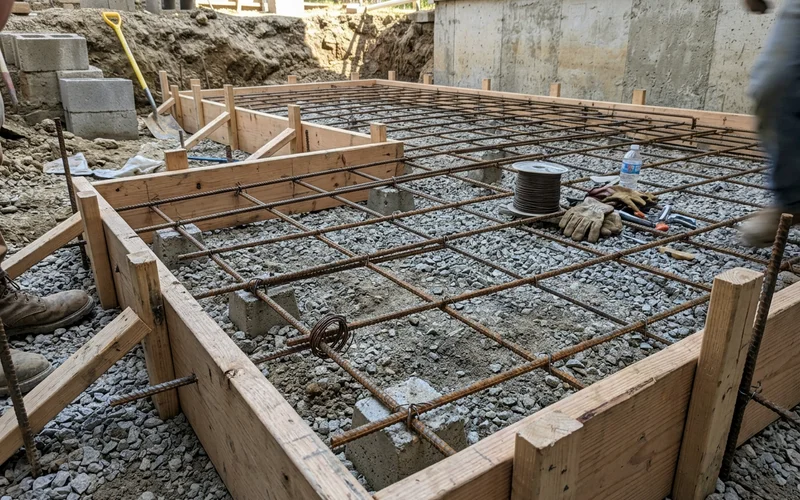
Concrete typically needs to cure for 7 to 28 days before heavy backfill is applied to prevent cracking. Rushing this step often leads to bowed walls and severe water leaks.
- Will the walls, footings and opening follow project-specific engineering?
- How long will the walls cure before backfill?
- When is waterproofing applied?
- What inspections will happen, and who schedules them?
About Scope and Coordination
A clear scope of work prevents surprise bills and project delays. You need to know exactly who is handling the permits, utility lines, and final finishing touches. Our crews always contact Blue Stakes of Utah 811 at least two business days before any excavation begins.
This simple step protects your neighborhood from dangerous utility strikes. Haul-off for a typical walkout project can generate 30 to 50 cubic yards of soil, which requires proper disposal planning.
- Who handles permits and utility locating?
- Who installs the door, electrical and railings?
- Is haul-off included? How much soil do you expect?
- Is yard restoration included or optional?
- Who’s my point of contact during the project?
About Credentials
Verifying credentials protects you from liability and substandard workmanship. Always check the Utah Division of Professional Licensing (DOPL) database before signing a contract. We suggest asking for physical copies of their liability and workers’ compensation insurance policies.
Hiring an unlicensed contractor can actually void most homeowners insurance claims if property damage occurs. DOPL handles all contractor licenses in the state, ensuring professionals meet strict safety and educational requirements.
- Can I see your license and proof of insurance?
Verify any Utah contractor’s license through the state’s official licensing lookup from the Division of Professional Licensing. Do not rely on a website, including ours, for that verification.
Good contractors like good questions.
If a bidder gets vague about drainage, engineering or curing, that’s an answer too.
How to Compare Walkout Bids
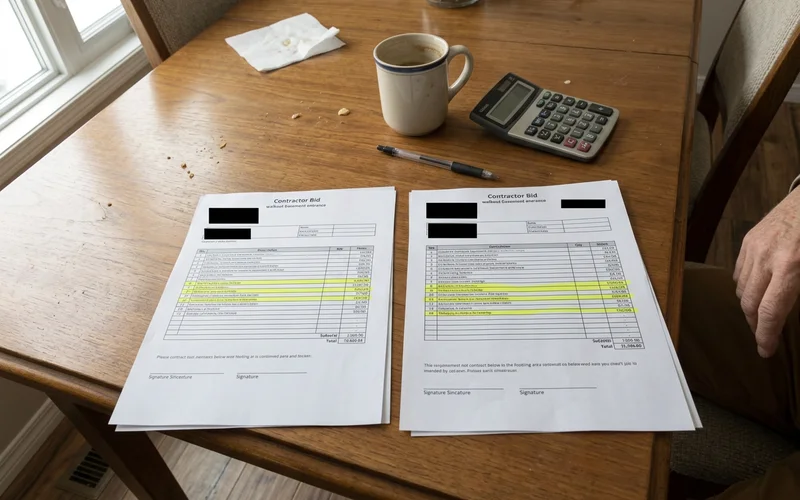
Comparing bids requires looking at the detailed line items rather than just the final price tag. You must match the scopes of work to see which contractor is actually providing the best value. Our analysis of 2026 market data shows that the average cost for a complete basement walkout in Utah ranges from $25,000 to $35,000.
Excavation alone can cost between $2,500 and $20,000 depending on your soil density and property access. The total at the bottom is the last thing to compare, so start with the structural scope.
| Line item | Bid A | Bid B |
|---|---|---|
| Structural engineering | Included? | Included? |
| Permits and inspections | Included? | Included? |
| Utility locate / relocation | Included? | Included? |
| Excavation and haul-off | Included? | Included? |
| Engineered walls and footings | Included? | Included? |
| Waterproofing and curing | Included? | Included? |
| Drainage: basin, reservoir, rock, outlet | Included? | Included? |
| Stairs, landing, railings | Included? | Included? |
| Door, threshold, electrical | Included? | Included? |
| Restoration | Included? | Included? |
Fill in the table for each bid to clarify the details. Once the scopes match, the prices start to make sense. See the Utah walkout cost guide for typical ranges.
Red Flags in Bids That Seem Too Low
A bid that drastically undercuts the competition usually omits critical safety and finishing steps. You should treat a surprisingly low price as a warning sign to inspect the contract details closely. We often see homeowners tempted by cheap estimates, only to face massive repair bills later.
Skipping a local city building permit might save a few hundred dollars upfront, but it can result in forced tear-downs. Rushing the backfill process without proper concrete curing is another common shortcut that compromises the retaining walls.
A low bid isn’t automatically bad, but it is a prompt to look closer. Watch for these specific omissions:
- No engineering mentioned for a project that opens a foundation wall.
- A small floor drain with no storage and no access for cleaning.
- Excluded items like the door, electrical, haul-off or railings, buried in fine print.
- No permit line, or a suggestion that permits aren’t needed.
- Backfill the day after a pour, with no curing time.
- A complete walkout for a few thousand dollars. Complete walkouts typically start in the upper teens.
What We Think Matters Most
Engineering, drainage capacity, and a comprehensive scope are the three pillars of a successful walkout project. These core elements determine whether your investment lasts a lifetime or fails after the first severe winter. We prioritize engineering because structural miscalculations can compromise your entire house.
Salt Lake County experiences heavy spring snowmelt, making an oversized drainage reservoir essential for 2026 weather patterns. Applying a high-quality polyurethane waterproofing membrane on the exterior walls is also crucial to prevent hydrostatic pressure leaks.
If you only remember three things, insist on these critical elements:
- Proper structural engineering.
- Hard questions about drainage capacity and access.
- A direct comparison of the complete scope.
Those three decide whether a walkout performs for decades.
Questions to Ask About Communication and Process
Consistent communication ensures your project stays on schedule and respects your property. You deserve a contractor who provides daily updates and clear answers to logistical concerns. We find that a well-informed homeowner is a happy homeowner.
Technical answers matter most, but how a company runs a project affects your living experience for a month or more. A professional crew will lay down heavy-duty track mats to protect your grass from a 10,000-pound excavator. Passing the final city inspection requires proper installation of safety guardrails and handrails according to the building code.
- Who do I call with questions during construction?
- How will I know when inspections are happening?
- What happens if weather pushes the schedule?
- How do you protect the lawn, fence and landscaping along the access route?
- What does the final walkthrough include?
- Will you show me how to maintain the drain?
Clear, specific answers are a good sign. So is a contractor who explains trade-offs instead of just agreeing with everything you suggest.
Why Specialization Matters for a Walkout
A specialized contractor anticipates unique structural and weather-related challenges that general builders often miss. Focused experience prevents costly mistakes during the critical phases of excavation and concrete pouring. Our team plans the soil haul-off long before the first shovel hits the dirt.
A general contractor may build a walkout once in a while, but a specialist builds them all the time. Correctly sizing the drainage system for Utah’s 2026 climate data requires specific expertise in local frost lines and soil percolation rates.
That specialized knowledge shows up in crucial details:
- Keeping concrete residue out of drain rock.
- Planning soil haul-off before the dig begins.
- Sizing drainage systems specifically for heavy snowmelt.
- Sequencing curing, waterproofing, and backfill properly.
None of those details are visible on finish day, but all of them show up years later.
A Note on Online Reviews
Detailed reviews provide the best insight into how a company handles adversity and complex site conditions. You should look for customer feedback that mentions specific project hurdles and how the crew resolved them. We advise homeowners to read past the generic five-star ratings to find actual substance.
A 2026 consumer report shows that reviews detailing the condition of the yard post-construction are the most reliable indicator of a contractor’s professionalism.
Generic praise tells you far less than a detailed story about punctuality and billing transparency.
Reviews can help tremendously, but you must read them for specific details. Did the drainage work after the first winter, did the crew protect the yard, and were there surprises on the final bill?
Talk to Us
You deserve a team that answers every question with total transparency. We want to help you make the best decision for your home, even if you just need a second opinion.
The 2026 schedule fills up quickly during the spring and summer construction seasons. Our team is happy to be one of your bids.
Please bring your hardest questions to the meeting. Request a free walkout consultation to get started.